Charlottes Helix: Decoding the UK’s Gambling Addiction Science
What began as a UK-centric genomics initiative has evolved, its powerful lens now focused on one of the most pressing behavioural health challenges of our time. At Charlottes Helix, we explore how UK science is uniquely positioned to unravel the complex biological tapestry of gambling addiction. By repurposing world-class genetic frameworks and neuroscience, we’re moving beyond stigma to a deeper understanding of the brain, behaviour, and heredity.
The UK’s Pioneering Role in Gambling Neuroscience
The United Kingdom is a global epicentre for cutting-edge brain research. Institutions like the University of Cambridge and Imperial College London use tools like fMRI to compare the brains of those with and without gambling disorders. Their work shows problem gambling is associated with measurable alterations in brain structure and function, particularly in networks for decision-making, impulse control, and reward processing.
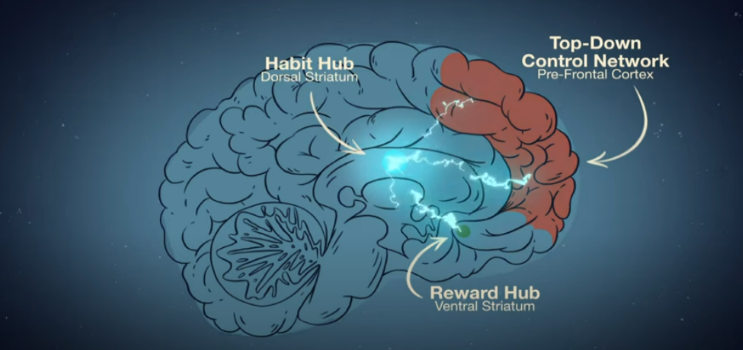
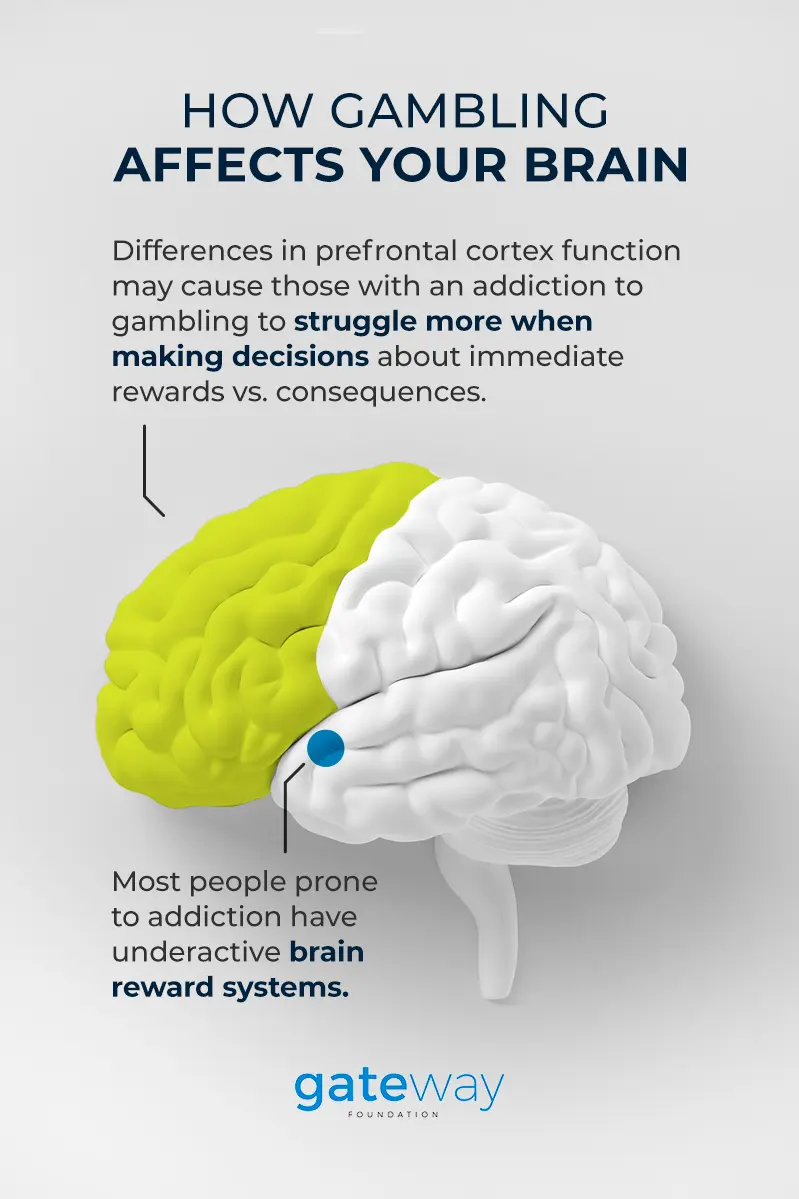
UK studies have visualised the addicted brain in action. Research reveals that gambling cues can trigger hyper-activation in the brain’s reward centre (the ventral striatum), while simultaneously reducing activity in the prefrontal cortex, which governs impulse control. This neural imbalance creates a perfect storm for addictive behaviours, driven by a dysregulated reward system that can misinterpret a ‘near-miss’ as a win.
Behavioural Addiction Genetics: The UK’s Unique Data
Beyond brain scans, UK science is digging into the genetic blueprint that may predispose individuals to gambling disorders. The nation is a powerhouse in this field, thanks to unparalleled resources like the UK Biobank—a vast biomedical database containing genetic and health information from half a million UK participants. This data, combined with clinical insights from the National Problem Gambling Clinic, provides a unique dataset for discovery.
These assets feed into global collaborations where researchers hunt for specific genetic variants associated with behavioural traits like impulsivity. Twin studies suggest a significant heritable component, with genetics estimated to account for roughly 50% of the risk. UK research is pivotal in moving from this broad estimate to identifying specific molecular pathways, emphasising that genetics interacts with environmental factors to shape vulnerability.
The Science of Treatment: From Lab to Clinic
The ultimate goal of this research is translation: turning discovery into effective help. UK neuroscience is already refining cognitive behavioural therapy (CBT) protocols to better target distorted beliefs about odds. Furthermore, understanding the dopamine system has spurred investigation into pharmacological treatments that could help stabilise reward pathways.
The convergence of genetics and neuroscience promises a future of more personalised care. The NHS provides a crucial framework for this pipeline. The National Problem Gambling Clinic not only offers treatment but also serves as a living lab, ensuring scientific inquiry remains grounded in real-world experience—a unique UK strength that could one day allow for interventions tailored to an individual’s genetic or neural profile.
Policy, Ethics, and the Future of Addiction Research
As evidence accumulates, UK science must actively inform public conversation and policy. The ongoing Gambling Act review presents a critical opportunity to embed biological understanding into regulations, moving towards a public health model. Genetic and neuroscientific data could support stronger limits on advertising or game speed—factors known to exploit vulnerable neurobiological systems.
With this powerful science comes ethical responsibility. The narrative must clearly state that genetic predisposition does not absolve industry responsibility or diminish personal agency. Instead, it underscores the need for a safer environment and reduces blame, framing addiction as a health condition. The goal is to empower with knowledge that leads to more effective prevention, compassionate treatment, and smarter, evidence-based policy.
Understanding gambling addiction through the rigorous lenses of neuroscience and genetics is about empowering the UK with knowledge. By continuing to support this vital research, we can transform the national approach to this complex challenge. Explore the science, understand the evidence, and join the conversation on shaping a future where policy and protection are informed by breakthrough discovery.
-
The Science of Gambling Addiction: What Neuroscience Tells Us in 2026
The pull of a slot machine or the thrill of a bet isn’t just chance; it’s a complex dance of neurotransmitters and neural pathways that modern science is finally beginning to map. For decades, gambling addiction was viewed primarily through a moral or psychological lens. Today, cutting-edge neuroscience is revolutionising our understanding, revealing it as…
-

The Latest UK Research on Problem Gambling and Behavioural Health
The UK research landscape is shifting, with a new wave of studies moving beyond moral judgements to dissect the neuroscience and genetics of gambling addiction. This scientific pivot is crucial for understanding problem gambling as a behavioural health disorder, paving the way for evidence-based treatments and policies that address root causes rather than perpetuating stigma.…
-
How the Brain Responds to Slot Machines and Sports Betting Wins
A near-miss on a UK high street slot machine or a last-minute winning bet can trigger a profound neurological response that keeps us playing, and our team is here to explain the science behind it. Behind the flashing lights and the thrill of the win lies a complex, hardwired system in your brain—the reward pathway.…